

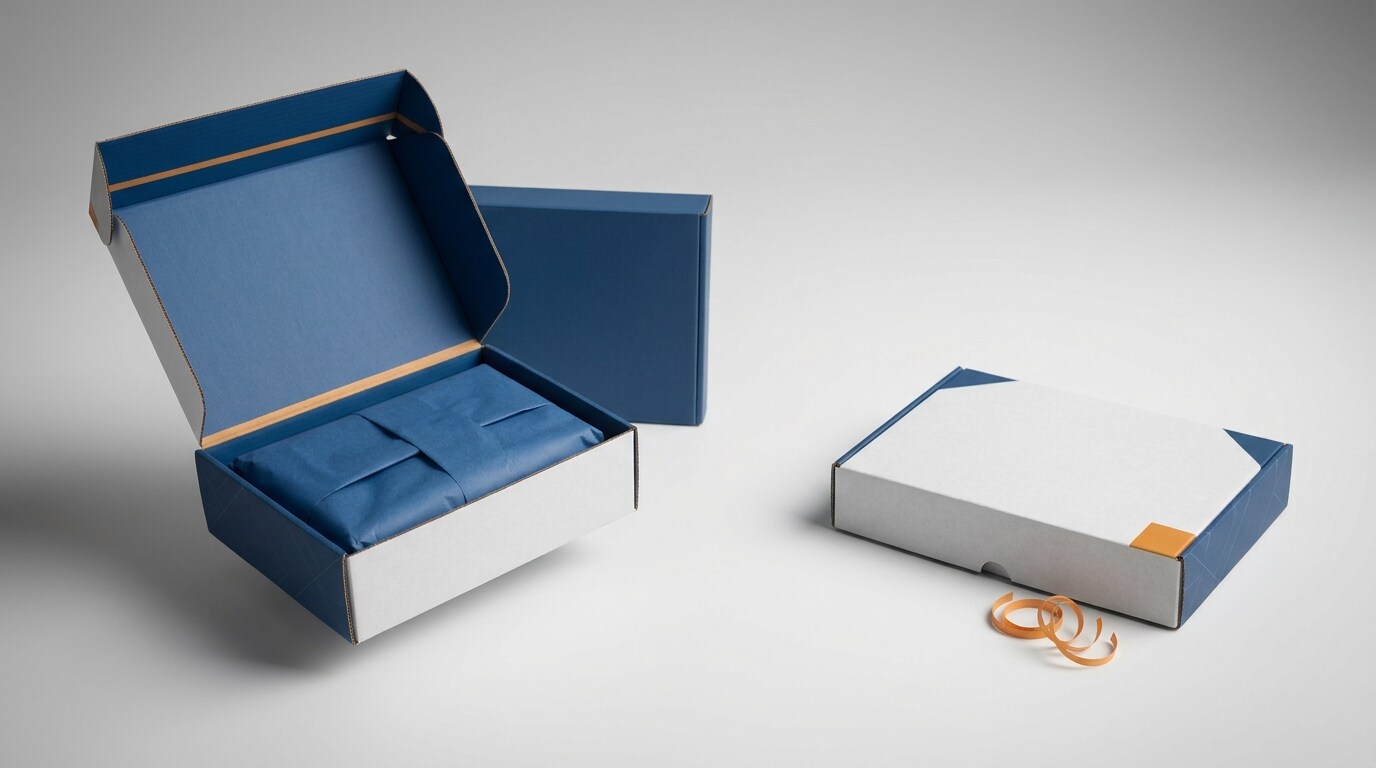
Beyond the Box: How Custom Packaging Builds Brand Value
Most people think of a box as the thing that shows up after the actual decision has been made. You pick the product, you pay for it, and the box is just there to carry it home safely. That view is outdated. For a business owner, custom packaging has quietly become one of the few remaining touchpoints where a brand gets to speak directly to a customer with no algorithm, no competitor’s ad, and no distraction in between.
This guide walks through what custom packaging really is, why it changes how people feel about a product before they even open it, how to think about the cost of it in plain business terms, the mistakes that quietly undo a good design, and how a packaging manufacturer actually turns these ideas into physical boxes.
What Custom Packaging Really Means in 2026
Custom packaging is not just cardboard with a logo printed on it. It is a design decision made on purpose, built around how a specific product should be carried, opened, and remembered.
Stock packaging is the opposite of that. It is a generic box or pouch made in bulk, sized for a category rather than a product, and sold to whoever needs something to ship in. It works. It is also forgettable, and forgettable is expensive when a competitor down the street is doing something more deliberate.
The gap between the two shows up before a single word of copy is even read. Size and shape carry their own message. A rigid, close-fitting box says the item inside is worth handling carefully. A box with two inches of dead air and a fistful of packing peanuts says the opposite, even if the product itself is excellent. Structural design is a form of communication that happens in the first half second, well before branding, color, or copy get a chance to do their job.
Why First Impressions From a Box Last Only Seconds
There is a reason unboxing videos became their own genre online. A well-made package taps into something people respond to instinctively, and it happens fast.
The Halo Effect
Psychologists call this the halo effect: one strong positive impression colors how someone judges everything else about a product, often without them realizing it. Applied to packaging, this means a customer who receives a premium packaging design, sturdy stock, a satisfying tactile finish, a lid that closes with a little resistance, will unconsciously rate the product inside as higher quality too. Some studies on packaging design have found that thoughtful, well-executed packaging can shift a customer’s sense of a product’s worth by as much as 40 percent compared to the same item in plain packaging. Whether or not that exact number holds for every category, the direction of the effect is well documented: the box changes the verdict before the product gets a fair trial.
Unboxing as a Small Dopamine Hit
There is a small reward built into a good unboxing experience. The reveal, the reversal of expectation, the surprise of a handwritten note or a well-placed insert, all of it produces a tiny spike of anticipation and satisfaction. That feeling is what gets filmed, shared, and remembered. A brand that designs deliberately for that moment is, in effect, building a marketing asset that costs nothing extra to distribute once it is out in the world.
Consistency Does More Work Than a Logo
A logo by itself is not a brand. Consistent brand identity packaging, matching colors, matching typography, a texture or finish that shows up the same way every time, is what actually builds recognition. Customers do not consciously catalog a brand’s Pantone number. They just start to feel like they know a company on sight, and that familiarity is worth more over time than any single clever design choice.
Turning Packaging From Overhead Into Owned Media
For a lot of small business owners, packaging still gets treated as a cost to minimize. That framing misses something important. Once you have paid for the box, every customer who receives it sees your branding, guaranteed. No other marketing channel can promise a 100 percent open rate.
The Box Is Guaranteed to Be Seen
Ads get scrolled past. Emails get ignored. A physical package that arrives at someone’s door gets opened almost every time. That single fact changes the math on how much a business should be willing to invest in the design.
Right-Sizing Cuts Cost and Improves the Experience
Sustainable packaging and cost control usually point in the same direction. A box that fits the product closely, instead of leaving room for it to shift around, reduces billable shipping weight and volume, and it gets rid of the rattle that makes a delivery feel cheap before it is even opened. This is one of the rare cases where doing right by the planet and doing right by the budget line up almost perfectly.
Bulk Ordering and the Real Savings Curve
Custom tooling and print setup carry a fixed cost that gets spread across the order. Ordering in larger runs, when cash flow allows it, typically brings wholesale packaging costs down by around 30 percent compared to small, repeated orders. The trade-off is storage space and upfront capital, so this is a decision worth running through actual numbers rather than gut feeling, especially for a newer business still working out demand.
Five Practical Mistakes That Quietly Kill Brand Value
These are the errors that show up again and again, and they are almost always fixable once someone points them out.
- Over-packaging. Nesting a small item inside three layers of boxes and filler, sometimes called the Russian doll problem, frustrates customers and undercuts any sustainability claim a brand is trying to make. If the outer box is twice the size of what is inside, customers notice, and not in a good way.
- Ignoring the interior. A blank inside panel is wasted space. A short thank-you message, a pattern, or a splash of brand color on the inside of the lid costs very little to add during production and turns an ordinary delivery into something worth a second look.
- Material mismatch. Thin duplex board holding a heavy or fragile item is a recipe for crushed corners and damaged returns. Matching board weight and corrugated packaging strength to the actual product is a basic step that gets skipped more often than it should.
- Color drift. A brand’s signature blue looking slightly different from one print run to the next erodes recognition over time, even if customers cannot articulate why something feels off. Professional CMYK and Pantone color matching is not a luxury add-on. It is the baseline for keeping a brand looking like itself.
- No resealability. For fashion and e-commerce brands especially, a box or bag that can be closed again cleanly makes returns and exchanges far less painful, both for the customer and for the warehouse handling it. Skipping this feature to save a few cents per unit tends to cost more in customer frustration than it saves.
Producing at Scale: What Actually Goes Into the Box
Good ideas about packaging only matter if a packaging manufacturer can actually produce them at consistent quality, order after order. This is where a lot of otherwise solid packaging strategies fall apart, not because the design was wrong, but because production could not hold the line on quality once volume increased.
A few things matter here in practice. Full-service production, covering everything from rigid boxes for a premium unboxing moment down to eco-friendly packaging paper Bangladesh for food pouches and daily consumables, means a brand does not have to juggle multiple vendors with different standards. Sharp registration and consistent ink density across thousands of units matter just as much as the initial design, since a beautiful proof means nothing if unit 4,000 looks noticeably different from unit 40. And for a company shipping product internationally, a production partner with real experience meeting export packaging standards saves a business from learning that lesson the expensive way, after a shipment gets held up or rejected at customs.
Printfo, a printing and packaging company based in Dhaka, is one example of a press built around that kind of full production chain, handling everything from structural design through to export-ready finishing for brands shipping both locally and abroad. The point is not which specific press a business uses. It is that the production side of packaging deserves the same scrutiny as the creative side, because a great design badly produced is just an expensive disappointment mailed to a customer.
Frequently Asked Questions
How does custom packaging directly influence a customer’s willingness to pay a premium price?
Packaging acts as a physical signal of quality before a customer has used the product at all. Through the halo effect, sturdier materials, tighter fit, and a more deliberate unboxing sequence lead people to assume the product itself is worth more, which supports higher price points and reduces the pressure to compete purely on discounting.
What is the most cost-effective way for a small business to start with custom packaging?
Start small and specific rather than customizing everything at once. A branded tape, a stamped tissue paper insert, or a simple printed mailer box can deliver most of the recognition benefit at a fraction of the cost of a fully custom rigid box, and it is easy to scale up once order volume justifies bulk production.
How can I make my packaging more sustainable without sacrificing product protection?
Right-sizing is usually the biggest lever, since a box that fits the product needs less filler and less material overall. Beyond that, choosing recyclable or recycled-content board, minimizing mixed materials that are hard to separate for recycling, and testing packaging under real shipping conditions before committing to a large print run all help balance sustainability with protection.
Why does structural fit matter more than the printed design for luxury brands?
A beautiful print job on a box that is loose, flimsy, or awkward to open undercuts the impression the design is trying to create. Luxury customers register the tactile experience, weight, resistance when opening, precision of the fit, before they consciously register the artwork, so structural engineering has to come first.
What are the legal requirements for food and pharmaceutical packaging in global markets?
Requirements vary significantly by destination market and product category, covering areas like food-safe material certification, ingredient and allergen labeling, and tamper-evidence for pharmaceuticals. Because these rules differ by country and change over time, it is worth confirming current requirements with the relevant regulatory body or a compliance specialist for each specific export market rather than relying on general guidance.